How to Choose Safe and Licensed Bitcoin Casinos in Canada in 2026: A Player's Guide to Responsible Online Gambling, Regulatory Standards, and Fraud Prevention
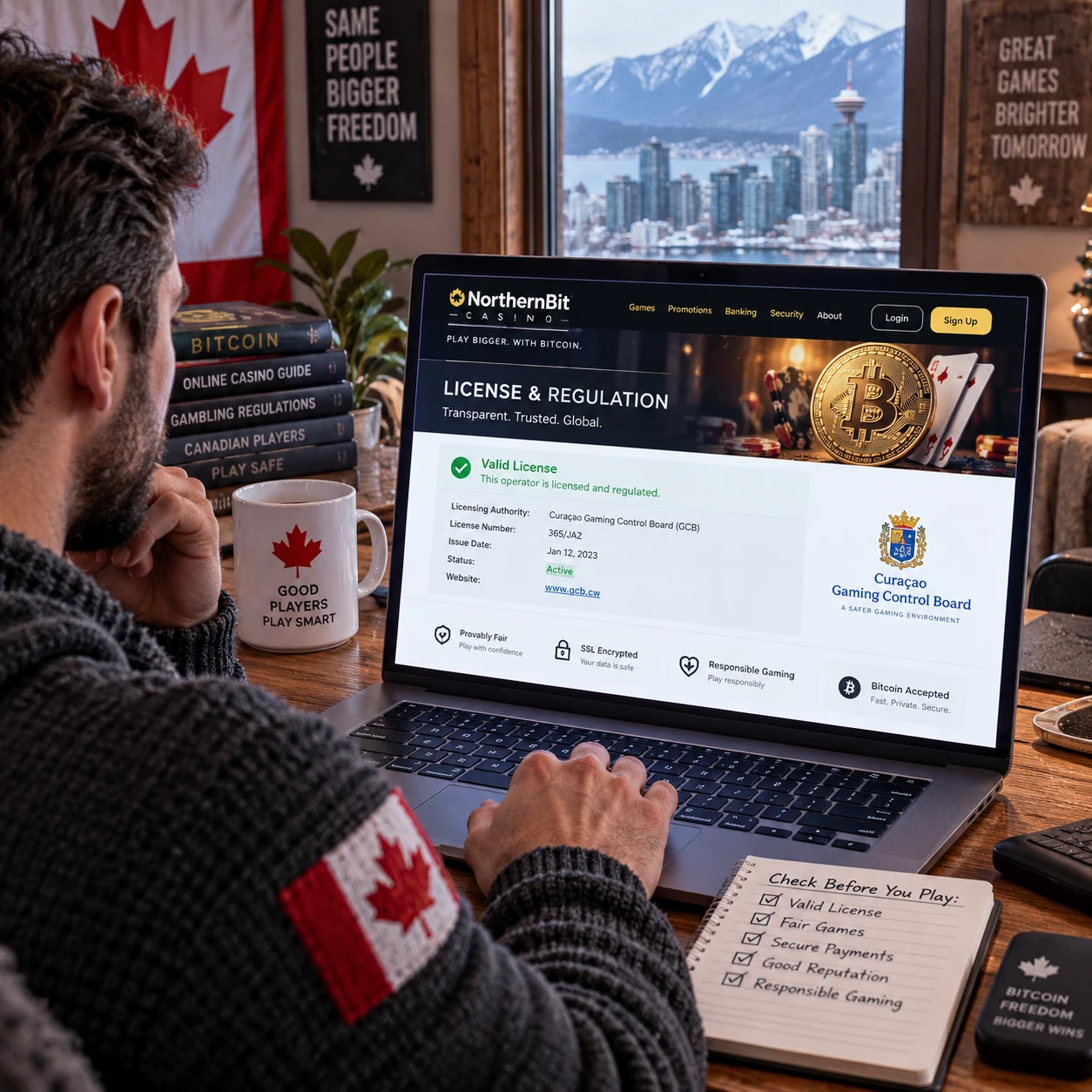
Crypto gambling has exploded across Canada over the past couple of years, and 2026 feels like the year it finally goes mainstream. I've watched this shift happen up close — friends who used to grumble about slow bank transfers and clunky verification are now moving funds in seconds with Bitcoin, Ethereum, even stablecoins. The appeal is obvious: faster payouts, lower fees, a layer of privacy traditional online casinos just can't touch. But with that convenience comes real risk. Unregulated platforms, shady operators, outright scams — still common in this space. Canadian players need to know how to spot the difference between a legit operation and a trap. So that's what this guide is for: licensing basics, security red flags, fraud prevention tactics, and responsible gambling practices, so you can enjoy crypto betting without getting burned.
What Are Bitcoin Casinos and Why They're Popular in Canada
Bitcoin casinos are online gambling platforms that let players deposit, wager, and withdraw using cryptocurrency instead of fiat. Some run exclusively on crypto. Others offer it as one option alongside Interac, credit cards, and e-wallets. For Canadian players, the draw in 2026 comes down to a handful of practical things — transactions that clear in minutes instead of days, fees that barely register compared to wire transfers or card processing, and a degree of anonymity that appeals to anyone who'd rather not see gambling transactions sitting on a bank statement.
There's also the access angle. Canada's gambling laws are handled provincially, not federally, so plenty of Canadians have long turned to offshore platforms for games and odds that provincial lottery corporations don't offer. Crypto casinos are a natural extension of that — tapping into global platforms while sidestepping some of the friction traditional banking creates for cross-border gambling.
How Bitcoin Casinos Differ from Traditional Online Casinos
The biggest practical difference? Speed. A withdrawal that might take three to five business days through a traditional casino can often clear in under an hour with crypto. Anonymity's another factor — most legitimate operators still require ID verification for larger withdrawals, sure, but the day-to-day experience feels more private since you're not linking a credit card or bank account to every single transaction.
The flip side is oversight. Traditional online casinos operating in regulated Canadian markets — Ontario's iGaming system, for instance — answer to provincial regulators with clear consumer protection rules. Plenty of Bitcoin casinos run from offshore jurisdictions with lighter scrutiny, which shifts the burden of due diligence squarely onto the player.
Understanding Canada's Gambling Regulatory Landscape in 2026
Canada doesn't have one federal body overseeing online gambling, crypto or otherwise. Instead, I'm dealing with a patchwork — provinces set their own rules. Ontario runs its own regulated iGaming market through AGCO, while other provinces lean on provincial lottery corporations or just tolerate offshore play in a legal gray zone. The Kahnawake Gaming Commission, based on Mohawk Territory in Quebec, has licensed online gambling operators for decades now and remains one of the more recognized names in Canadian-adjacent regulation.
What this fragmented system means in practice: there's no single federal crypto-gambling framework protecting you if things go sideways. If a Bitcoin casino licensed somewhere offshore refuses to pay out — or just disappears with your funds — Canadian consumer protection agencies may have limited power to step in. That's exactly why understanding licensing before you deposit a single satoshi matters this much.
Licensed Offshore Jurisdictions Canadians Should Recognize
Since most crypto casinos accessible to Canadians operate under offshore licenses, it pays to know which regulators actually enforce something. The Malta Gaming Authority is widely considered one of the stricter licensors — regular audits, strong player protection policies baked in. Curaçao eGaming has historically been looser, though it's tightened up requirements in recent years following regulatory reform. The Kahnawake Gaming Commission stays a trusted option given its proximity and its long track record with Canadian-facing operators. When you spot one of these licenses on a casino's footer — and can actually verify it — that's a meaningful signal. Not just decoration.
Key Signs of a Safe and Licensed Bitcoin Casino
Before I deposit anywhere, I run through a quick mental checklist. A legit platform displays its license number clearly, usually in the footer, and that number should check out directly on the regulator's website. SSL encryption should be standard — look for the padlock icon in your browser bar. Reputable crypto casinos also run provably fair gaming tech, which lets players independently verify that outcomes haven't been rigged.
- Visible, verifiable license number from a recognized authority
- SSL encryption on all pages, especially deposit/withdrawal sections
- Provably fair algorithms for slots, dice, and table games
- Third-party audits from organizations like eCOGRA or iTech Labs
- Clear, readable terms and conditions without buried clauses
Red Flags That Signal an Unsafe Platform
Some warning signs are easy to catch once you know what you're looking for. Unclear or missing ownership info is a big one — legit operators aren't shy about who's running the show. If customer support is basically nonexistent, limited to a generic email with zero response time guarantee, that's a problem too. Watch for bonuses that sound too good to be true — 500% deposit matches with no wagering cap, say — since those usually exist to bait deposits that can never realistically come back out. And any platform skipping KYC or AML checks entirely? That should raise concern immediately, since reputable regulated casinos are legally required to run these protections.
Fraud Prevention and Verifying Platform Legitimacy
Protecting yourself starts well before you create an account. I always recommend spending twenty minutes digging into an operator's history — how long has it been around, have there been payout disputes, what are independent gambling forums actually saying? Community reviews on sites like Trustpilot or dedicated gambling forums tend to surface complaints long before they turn into widespread news.
Using a separate crypto wallet for gambling funds — not your main savings wallet — is smart practice too, since it limits exposure if something does go wrong. Canadian players looking for independent verification resources on consumer protection and financial fraud awareness can check the information available through bitcoin casinos oversight bodies, which offer guidance on recognizing fraudulent financial platforms and reporting suspicious activity. These resources are genuinely useful for understanding how financial fraud schemes work more broadly — and that understanding translates directly into spotting red flags inside the crypto gambling space.

Responsible Gambling Practices for Crypto Players
Crypto gambling brings risks beyond what you'd run into with traditional online casinos. Transactions are irreversible — no chargeback option if you send funds to the wrong address or get scammed outright. Crypto's price swings mean your bankroll's real-world value can shift dramatically overnight, sometimes doubling your losses or gains without you wagering a single extra dollar. And the pseudo-anonymous nature of crypto makes it easier to lose track of how much you're actually spending, since there's no bank statement nagging you about it.
Canadian players have solid support resources regardless of whether they're gambling in fiat or crypto. ConnexOntario offers free, confidential support for problem gambling, and the Responsible Gambling Council provides educational tools and self-assessment resources nationwide. Any legitimate Bitcoin casino should also build self-exclusion options and deposit limits directly into the platform — not bury them somewhere you'll never find.
Setting Limits and Using Self-Assessment Tools
Practical steps make a real difference here. Set a loss limit before you start playing, and stick to it no matter how the session goes. Use time trackers or phone reminders to avoid marathon sessions that blur your judgment. Pay attention to the early warning signs — chasing losses, gambling to escape stress, lying about how much time or money you're actually spending. If any of that sounds familiar, it's worth taking a break and reaching out to a support organization before things escalate.
Step-by-Step Guide to Choosing a Safe Bitcoin Casino in 2026
When I'm sizing up a new platform, I follow roughly the same process every time. First, verify the license directly with the issuing regulator — not the casino's own claims. Second, check how crypto payments are secured; look for cold storage practices and clear withdrawal policies. Third, read independent reviews from multiple sources, not just testimonials sitting on the casino's own site. Fourth, test customer support before depositing real money — ask a basic question, see how fast and how well they respond. Finally, confirm that responsible gambling tools — deposit limits, self-exclusion, session reminders — are actually built into the platform. Not just mentioned somewhere in a terms document nobody reads.
Conclusion
Bitcoin casinos offer genuine advantages for Canadian players in 2026 — speed, lower fees, a level of privacy traditional platforms just can't match. But those benefits only matter if you're playing somewhere that's actually safe. Taking the time to verify licensing, watch for red flags, and use the fraud prevention and responsible gambling resources out there isn't just good practice. It's essential, honestly, given how fragmented Canada's regulatory landscape remains for crypto gambling specifically. Innovation and caution aren't opposites here — they go hand in hand. Prioritize platforms with transparent licensing, tested security practices, and real player protection tools, and you'll be far better positioned to enjoy what crypto gambling offers without becoming another cautionary tale.